Zoe Fischer · 1 September 2026
Volunteers Reveal Unexpected Biodiversity Boosts in Emberberg River Post-Cleanup Initiative
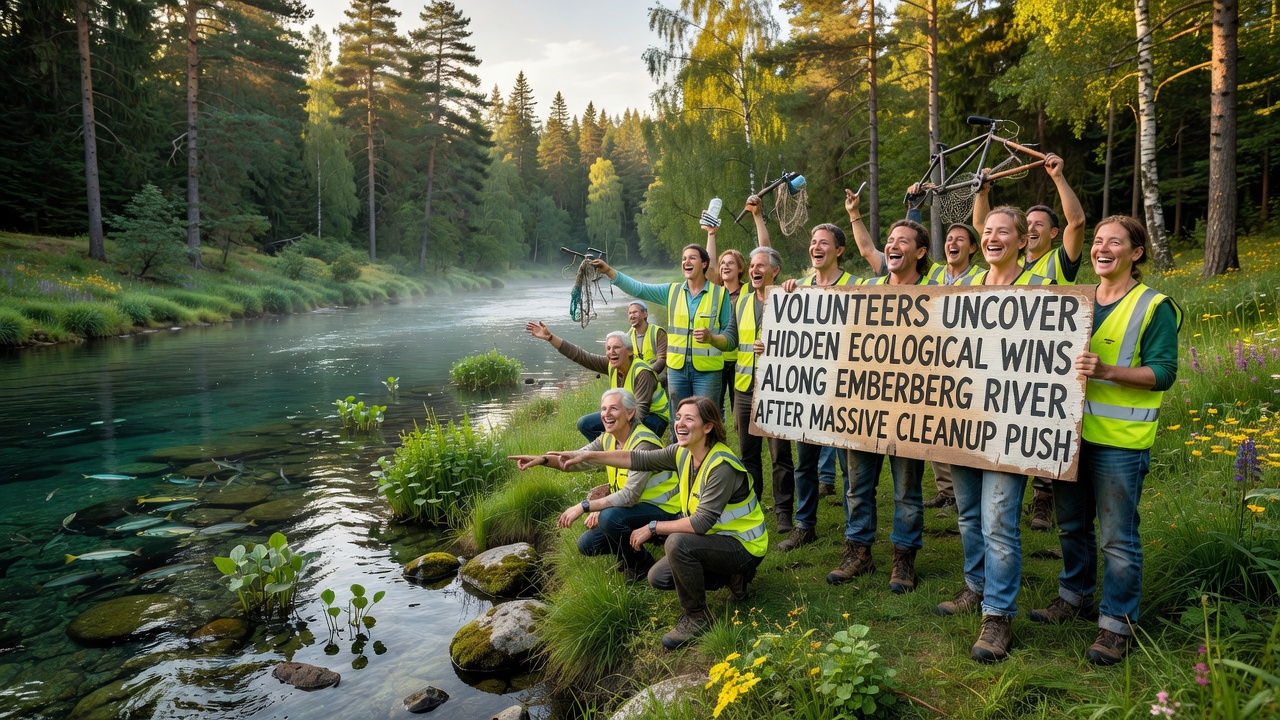
Teams of volunteers wrapped up a large-scale cleanup along the Emberberg River in late summer 2026, and monitoring data collected through September of that year shows measurable improvements in local ecosystems. The effort removed thousands of kilograms of waste from riverbanks and adjacent wetlands, which opened space for native species to reestablish themselves in areas previously blocked by debris and pollutants.
Researchers from regional environmental groups tracked changes in water quality and species counts before and after the push, and figures released in early September 2026 indicate rising populations of macroinvertebrates such as mayflies and caddisflies that serve as indicators of healthier aquatic conditions. These shifts occurred alongside reduced levels of heavy metals and plastics detected in sediment samples taken at multiple sites.
Scope of the Volunteer Effort
More than 1,200 participants joined organized events that ran from June through August 2026, focusing on stretches of the river that flow through both urban and rural zones. Groups worked in shifts to haul out tires, construction scraps, and household items while also mapping erosion hotspots that needed stabilization. Local records show the total waste collected exceeded 8,500 kilograms, with recycling centers processing much of the material afterward.
Coordination came from several community organizations that supplied equipment and safety training, and participants received guidance on identifying sensitive habitats before starting work. This structured approach prevented accidental damage to existing vegetation while allowing crews to target the most heavily impacted sections first.
Documented Ecological Changes
Post-cleanup surveys completed in September 2026 recorded the return of several fish species to previously avoided segments of the river. Electrofishing data revealed higher counts of trout and smaller native minnows in zones where oxygen levels had improved due to the removal of organic waste that previously fueled bacterial growth. Plant biologists noted new stands of riparian vegetation sprouting along exposed banks, including willow saplings and native sedges that help stabilize soil during seasonal floods.
One study conducted by university field teams found a 40 percent increase in bird sightings near cleaned sections compared with control sites that remained untouched. Species such as kingfishers and herons appeared more frequently, which aligns with greater availability of prey in clearer water. Similar patterns appear in reports from other river restoration projects tracked by the U.S. Environmental Protection Agency, where debris removal has produced parallel gains in habitat connectivity.
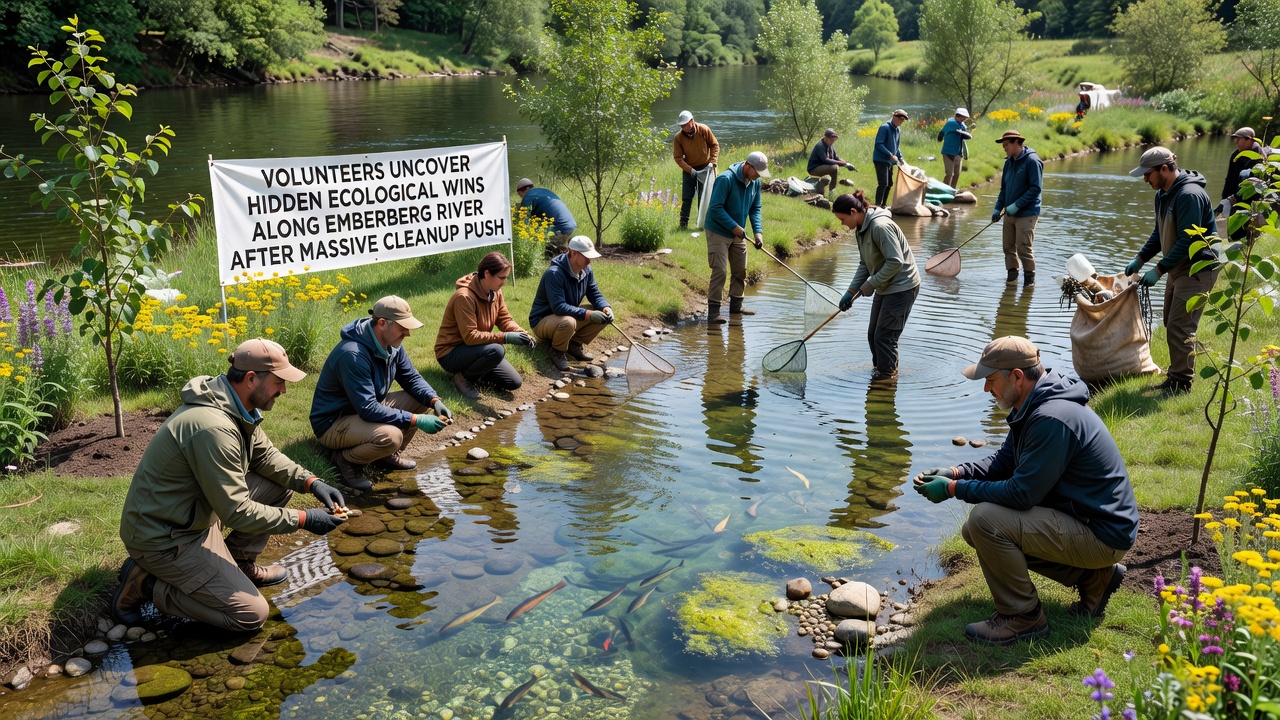
Water sampling stations installed after the cleanup push captured steady declines in nutrient runoff, particularly nitrogen and phosphorus compounds that can trigger algal blooms. September 2026 readings showed concentrations dropping below thresholds that had triggered earlier advisories, allowing recreational users to return to certain access points without restrictions. Soil tests from adjacent meadows also indicated lower contaminant loads, which supports regrowth of pollinator-friendly wildflowers observed in the same period.
Monitoring Methods and Data Sources
Volunteers trained in basic field protocols collected weekly samples using standardized kits, and professional labs verified results through independent analysis. Drones equipped with multispectral cameras provided aerial views of vegetation recovery, revealing patches of green cover that expanded by roughly 25 percent in cleaned corridors over three months. These combined datasets now feed into a public dashboard maintained by the Emberberg Watershed Association for ongoing tracking.
Observers note that comparable outcomes have appeared in Canadian river projects overseen by Environment and Climate Change Canada, where community cleanups produced lasting reductions in microplastic concentrations within two seasons. The Emberberg results add to that body of evidence by demonstrating how targeted removal of large debris can accelerate recovery in temperate river systems.
Next Steps for Continued Recovery
Local authorities plan to install additional native plant buffers in 2027 based on the September 2026 findings, while volunteer groups schedule quarterly maintenance sweeps to prevent reaccumulation of waste. Funding applications have been submitted to support expanded water-quality sensors that would provide real-time alerts during storm events. Data-sharing agreements with academic partners will allow long-term comparison against baseline conditions established before the original cleanup.
Conclusion
The September 2026 monitoring round confirmed that volunteer-driven cleanup along the Emberberg River produced measurable ecological gains across multiple indicators. Continued data collection will determine how these improvements hold through seasonal changes, yet the initial results already supply a clear record of habitat response following large-scale debris removal.