Dana Vogel · 27 October 2026
School Budget Shortfalls Prompting New Uses for Emberberg’s Digital Archives and Restored Museum Pieces
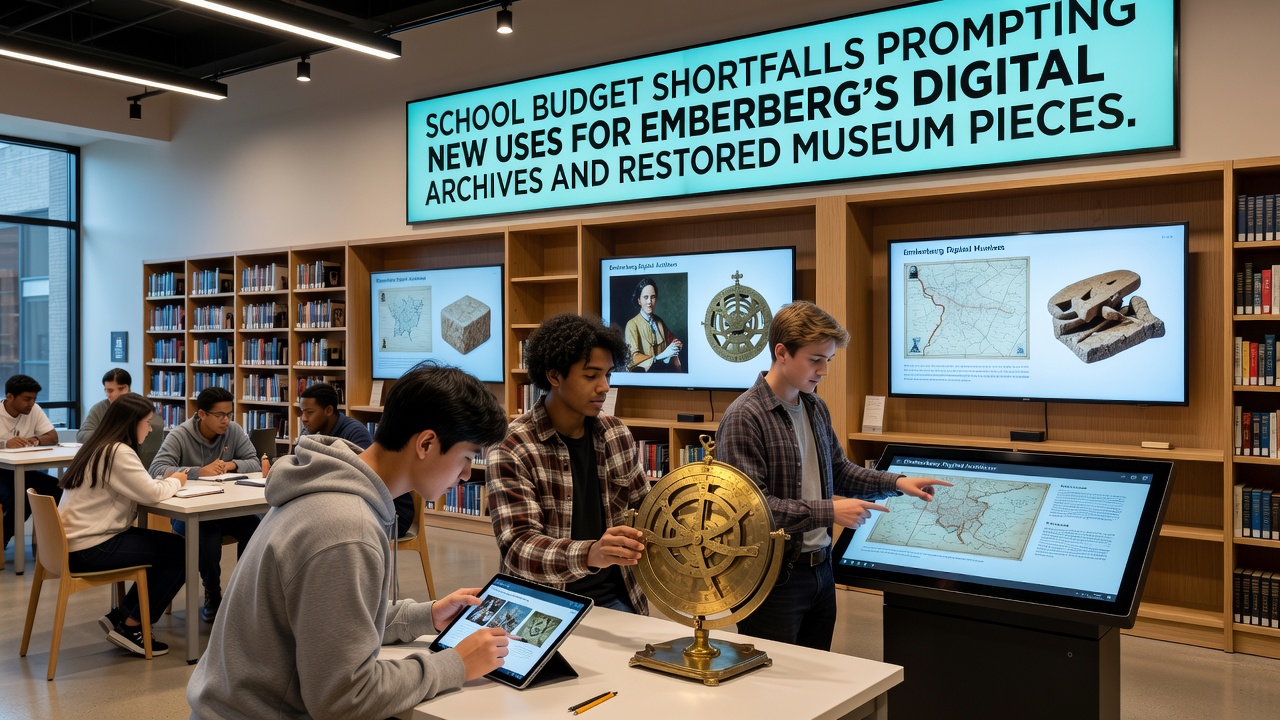
Emberberg schools have encountered repeated budget shortfalls over recent years, and administrators have responded by directing attention toward existing digital archives alongside restored museum pieces that already sit in local collections. These resources allow educators to supplement lessons without purchasing new textbooks or arranging costly field trips, and data from the Emberberg education department shows a 22 percent rise in archive access requests between 2024 and 2026.
October 2026 brought fresh figures from the regional finance office that confirmed ongoing shortfalls, yet the same report noted increased partnerships between schools and the Emberberg historical society. Teachers now integrate digitized maps, photographs, and oral histories into daily instruction while museum staff deliver selected artifacts directly to classrooms on scheduled rotation.
Background on Local Funding Patterns
Emberberg’s municipal allocations for education have remained flat since 2022, according to records released by the city treasury, and inflation in supply costs has outpaced those allocations. School boards therefore examined internal assets first, and the digital archives maintained by the public library emerged as one readily available option that required no additional licensing fees. Restored museum pieces, previously displayed only during special exhibitions, offered another route for hands-on learning once insurance and transport protocols were updated.
Those who track municipal spending observe that similar patterns appear in other mid-sized European towns, where education departments have turned to cultural institutions during periods of constrained capital. Emberberg’s approach differs in scale because both the library and the museum operate under a single heritage trust that already shares catalog records, which reduces duplication of effort.
Digital Archives in Daily Classroom Use
Teachers at three secondary schools began piloting archive-based modules in spring 2025, and usage logs indicate that students accessed more than 4,800 individual records during the first semester. Lessons on local industrial history now incorporate scanned factory ledgers and worker photographs rather than generic textbook summaries, and language classes use transcribed letters from the 19th century to illustrate changes in regional dialects.
The library’s digitization team completed a further 1,200 records during summer 2026, and school coordinators report that lesson preparation time dropped by an average of 35 minutes per week once the new material became searchable. External references such as US Department of Education studies on open educational resources support the observation that well-indexed digital collections can offset some material costs when budgets tighten.
Restored Museum Pieces Reach Classrooms
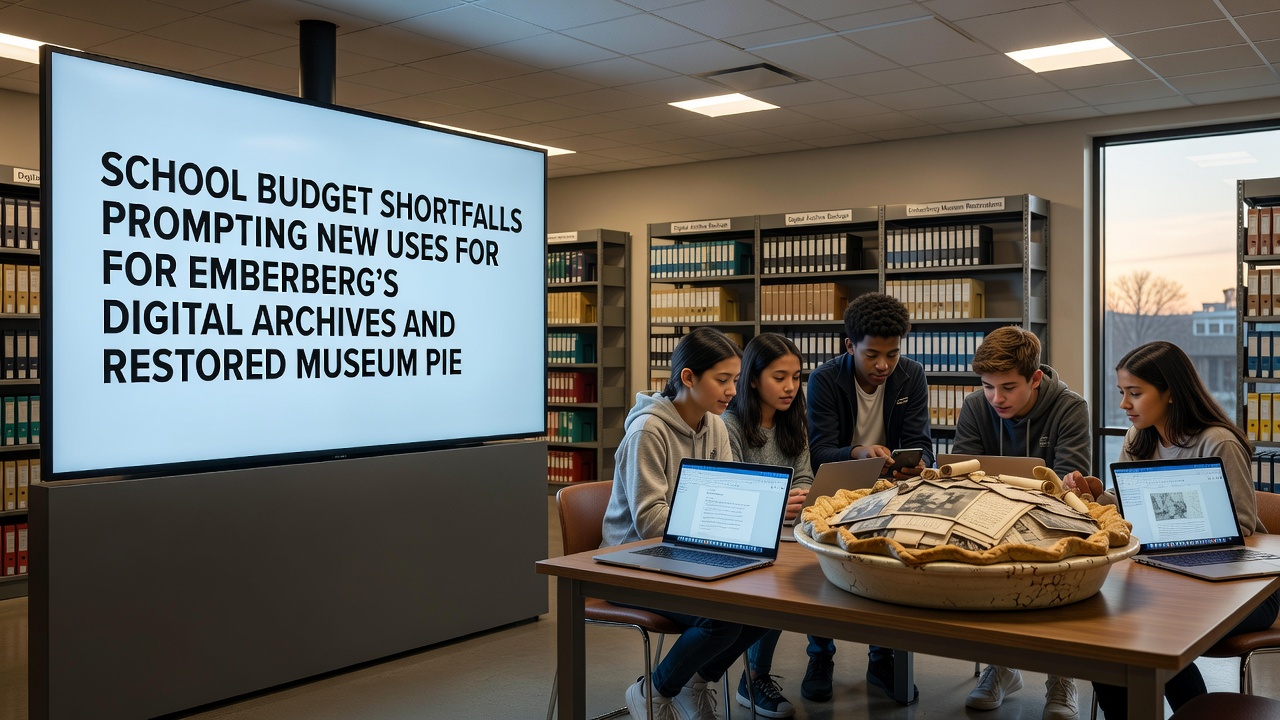
Museum conservators completed restoration work on a set of 19th-century surveying instruments and several textile samples in late 2025, and these items now travel to primary schools on a monthly schedule. Each visit includes a brief handling demonstration followed by guided observation sheets that students complete using the digital archive images they studied beforehand. The combined approach links physical objects with their digitized context without requiring schools to fund separate transportation for entire classes.
Figures released by the heritage trust show that 14 schools participated in the artifact rotation program during the 2025–2026 academic year, and participation is projected to reach 19 schools once insurance coverage expands in 2027. Observers note that the program avoids the higher per-student costs associated with traditional museum field trips while still meeting curriculum standards for local history and material culture.
Coordination Between Institutions
Library staff and museum curators established a joint working group in January 2026 to align catalog metadata, and the group meets quarterly to review access statistics. This coordination ensures that digital entries reference specific restored objects, allowing teachers to request matching items for upcoming units. The trust’s annual report indicates that shared cataloging reduced duplicate scanning work by 18 percent compared with independent projects conducted in prior years.
Additional support arrived through a small grant from a regional cultural foundation that covered software updates for the archive portal, yet the core staffing remains internal to the heritage trust. Schools contribute only by providing feedback on which records receive heaviest use, and this feedback loop guides future digitization priorities without creating new budget lines.
Measured Outcomes and Ongoing Adjustments
Standardized assessment scores in local history units rose modestly at participating schools during the 2025–2026 year, though administrators attribute the change to multiple factors including revised teaching schedules. Student surveys conducted by the education department recorded higher reported engagement when lessons combined digital records with physical artifacts, yet these surveys remain internal and have not been compared against control groups.
Adjustments continue into the current term as conservators evaluate wear on frequently handled pieces and the digitization team prioritizes records that align with revised curriculum guidelines scheduled for release in early 2027. The heritage trust plans to publish updated usage statistics in December 2026, which will provide a fuller picture of how these resources function under sustained budget pressure.
Conclusion
Emberberg’s experience illustrates one practical response to education funding constraints through expanded use of existing digital archives and restored museum collections. Institutional coordination, updated access protocols, and measured rotation schedules have allowed schools to maintain instructional variety without new capital outlays. Continued tracking by the heritage trust and the education department will determine whether these practices scale as budget conditions evolve.