Leon Jenkins · 31 August 2026
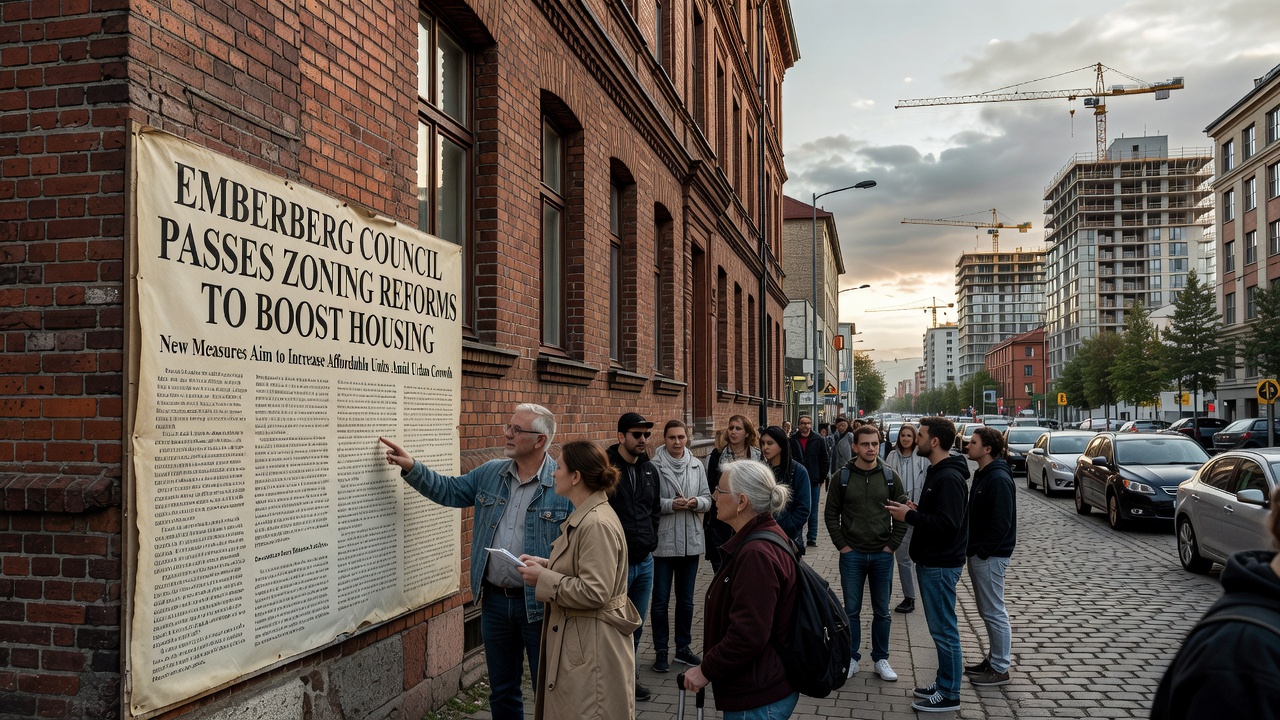
The Emberberg Regional Council voted unanimously last week to pass comprehensive zoning reforms designed to tackle the ongoing housing crisis while promoting environmental sustainability. The new measures come into effect immediately and are expected to reshape urban planning in the area for years to come. Officials emphasized that the reforms were developed after extensive input from stakeholders including residents, developers, and environmental experts.
Key Provisions of the Reforms
The primary focus of the reforms is on increasing housing density in urban centers. Previously restrictive single-family zoning districts will now allow for duplexes and small apartment buildings, potentially increasing the housing stock by up to twenty percent in targeted neighborhoods. Additionally, height restrictions have been relaxed in commercial zones to facilitate taller structures that can accommodate more residents. New rules mandate that at least ten percent of any new development must be dedicated to affordable housing units. On the environmental front, all new buildings must incorporate solar panels or other renewable energy sources and maintain a minimum of thirty percent green coverage on the property. These provisions aim to reduce carbon emissions and enhance biodiversity within the region. Further changes include streamlined permitting processes for projects that meet certain sustainability criteria, reducing approval times from six months to three. Agricultural buffer zones have been established around key farming areas to prevent urban sprawl from encroaching on productive lands.
Community Reactions and Future Outlook
Public response has been largely positive, with housing advocates hailing the reforms as a long-overdue solution to rising rents. However, some neighborhood associations have raised concerns about potential overcrowding and loss of community character. A series of town hall meetings are scheduled to address these issues and gather further feedback. Economic analysts predict that the changes will stimulate job creation in construction and related industries, boosting the local economy by an estimated fifty million euros annually. Looking ahead, the council intends to review the impacts of the reforms after two years and adjust policies accordingly. This proactive approach ensures that Emberberg remains a vibrant and livable region for all its inhabitants. Additional measures will focus on transportation infrastructure to support the expected population growth, including expanded public transit options and bike lanes to reduce reliance on cars. The reforms are seen as a model for other regions facing similar challenges in balancing development with quality of life preservation.