Dana Vogel · 29 September 2026
Digital Records Meet Restored Relics: How Emberberg's Library and Museum Projects Intersect with Local Education Talks
Emberberg library staff have launched coordinated efforts to digitize archival materials while museum teams restore physical relics from regional collections, and these parallel initiatives now feed directly into structured education discussions with local schools and community groups. Project coordinators report that scanned documents from the 18th and 19th centuries provide context for restored items such as tools, textiles, and manuscripts that date to the same periods, creating integrated resources for classroom use. Data from the municipal archives shows that over 12,000 pages have been converted to searchable formats since the start of 2025, while conservation work has stabilized 47 individual artifacts through controlled environment treatments and material analysis.
Project Overlaps in Practice
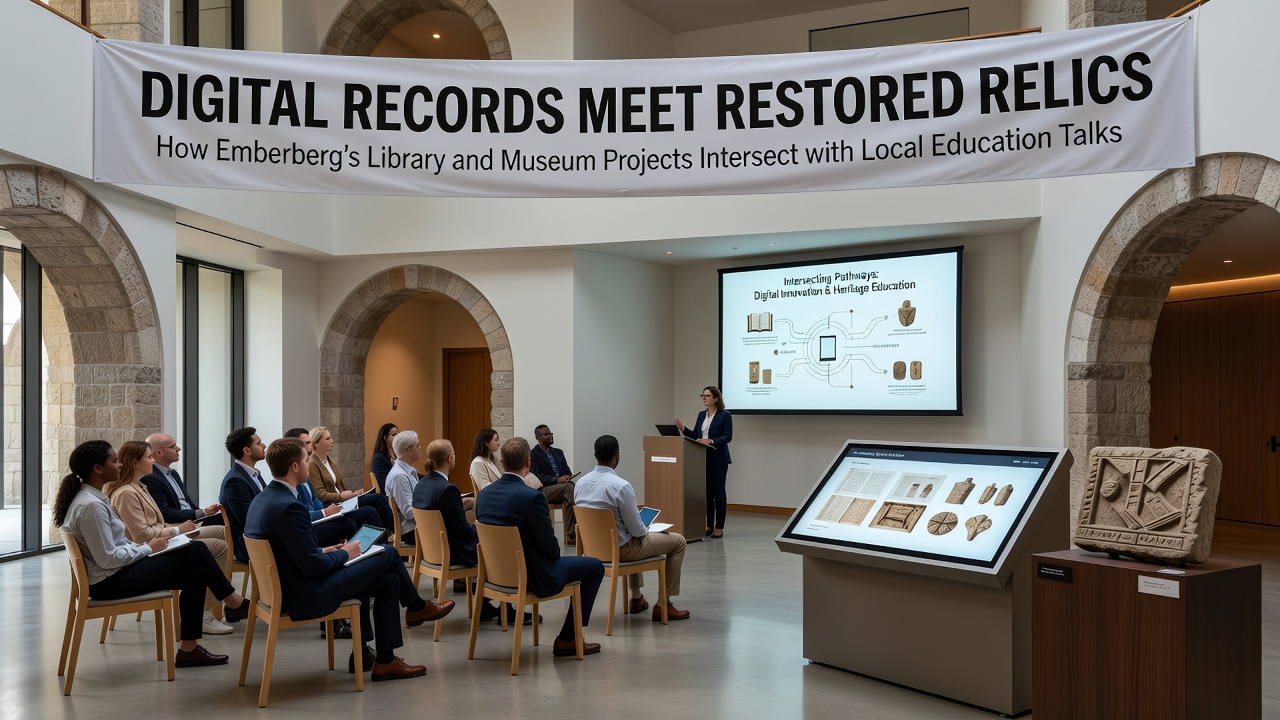
Library digitization teams collaborate with museum conservators on metadata standards that link digital files to physical objects, and this alignment allows educators to access both records and images during lesson planning sessions. Researchers at the regional heritage office note that cross-referencing occurs through a shared database where students can view a restored ledger entry next to the actual artifact it describes, and such pairings support curriculum modules on local history and material culture. In September 2026 the education talks will expand to include guided sessions where teachers examine these combined resources before incorporating them into semester plans.
Funding for the combined projects comes from municipal allocations and grants administered through the state cultural ministry, with records indicating that 65 percent of the budget supports scanning equipment and 35 percent covers conservation supplies and training. Observers from the European Heritage Network have documented similar integration patterns in other municipalities, where digital access reduces handling of fragile items while still delivering primary source material to learners.
Education Integration Details
Local education talks focus on how digitized records can supplement field trips to the museum, and program outlines list specific modules that pair database searches with artifact viewing. Teachers receive training on navigation tools that retrieve entries by date, location, or material type, and preliminary reports indicate that participating schools have scheduled 22 sessions for the coming academic year. The September 2026 schedule includes a series of roundtable discussions where curriculum developers review outcomes from pilot programs run in spring 2025.
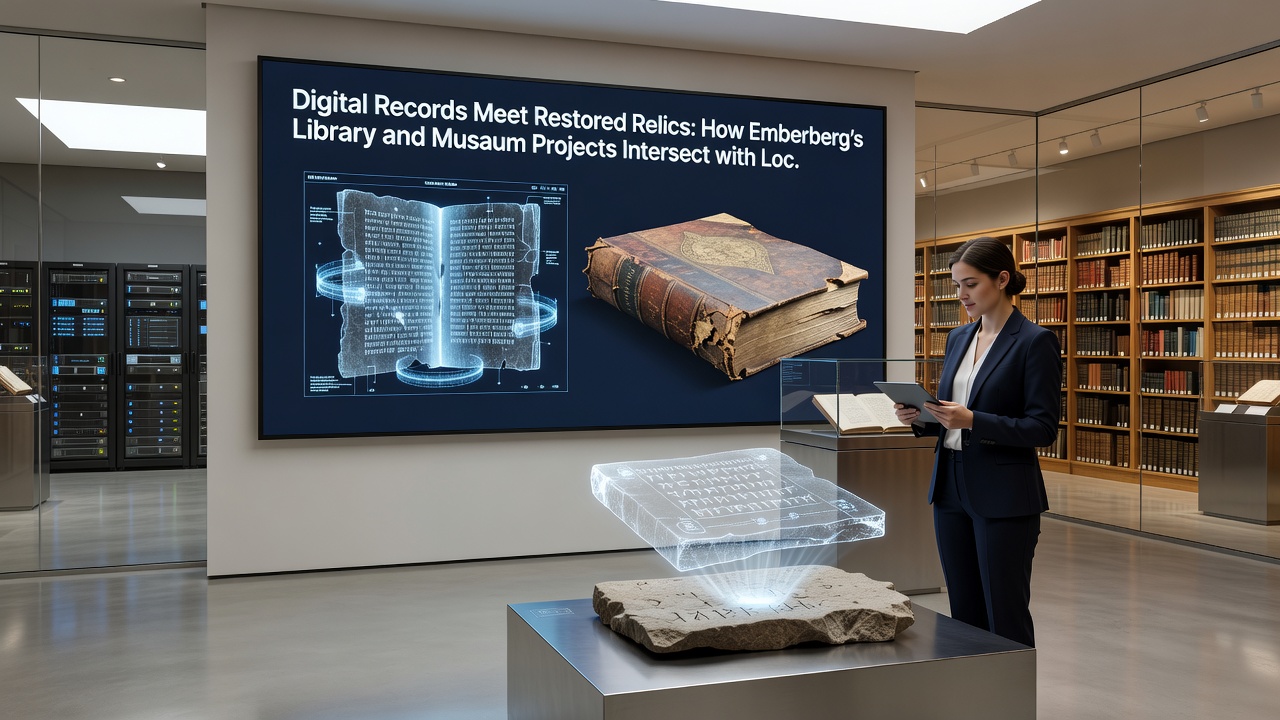
Community partners contribute by supplying additional context on artifact provenance, and these contributions appear in annotated digital entries that students can cite in assignments. Figures from the education department show that 340 students across four schools accessed the combined resources during the 2025 pilot phase, with usage logs recording an average session length of 47 minutes per visit. The Australian Library and Information Association has published case studies on comparable projects, highlighting how standardized metadata improves discoverability for both researchers and educators.
Technical and Logistical Elements
Scanning protocols follow guidelines established by the International Federation of Library Associations, which emphasize resolution settings and file formats that preserve detail without excessive storage demands. Museum staff apply parallel conservation standards drawn from the Canadian Conservation Institute, ensuring that restored items retain structural integrity while digital surrogates handle frequent access requests. Joint working groups meet monthly to resolve discrepancies between catalog entries and physical descriptions, and meeting minutes indicate that 18 such meetings occurred between January and August 2025.
Equipment upgrades completed in late 2024 include high-resolution overhead scanners and climate-controlled storage units, and procurement records list suppliers from three different EU member states. These upgrades support simultaneous processing of documents and artifacts, reducing project timelines by an estimated four months according to internal progress reports.
Future Phases and Documentation
Documentation of the September 2026 education talks will track participation rates, resource usage statistics, and teacher feedback through standardized forms submitted to the municipal education office. Project leads plan to publish aggregated findings in a publicly accessible report by the end of that calendar year, following the same format used for the river quality monitoring summaries released earlier in 2025. Additional phases may incorporate three-dimensional imaging of select relics once current scanning priorities conclude.
Conclusion
Emberberg library and museum teams maintain separate operational structures yet coordinate through shared technical standards and joint education outreach, and this coordination produces resources that support local curriculum development. Records indicate steady progress on digitization targets alongside conservation milestones, with education talks serving as the primary channel for distributing these materials to schools. September 2026 activities will provide further data on how the combined approach performs across additional classrooms and community settings.